Blog Feed

Can Food With Nutrient Deficiency Cause Cancer?

The simple answer to this question is: Yes, nutrient deficiency is also a reason for severe cancer. Our changing lifestyle and food culture are the main reasons why it has come this far.

A new set of worrying findings have linked an increased risk of cancer with the consumption of foods that have low nutritional quality. The associated study was conducted by Mélanie Deschasaux, at the French National Institute for Health and Medical Research in Paris.

In the study report, the participants who ate food products with lower nutritional quality were at higher risk of developing cancer.

More importantly, regular consumption of foods with low nutritional quality led to colorectal cancer and cancer of the upper digestive tract and stomach, as well as lung cancer in the case of men. For women, eating foods that are low in nutrients is tied to a higher risk of liver cancer and breast cancer.

Avoiding such low nutritional food is the best way to prevent such disasters. Try to consume more foods like fresh vegetables, whole grains, healthy fats, and lean protein as they play a major role in preventing cancer.


Here is a shocking impact of excess Smartphone usage

Are you someone that uses mobile in the dark? Well, if you are, we got some bad news. A new study has found that smartphones can ruin your eyesight if it is used excessively in the dark.

Researchers at the University of Toledo, in Ohio, have found that exposure to blue-light — the glow emitted from most smartphones, tablets, and laptops — promotes the growth of “poisonous molecules” in your eyes, leading to macular degeneration.

The researchers recommend preventative measures, including wearing sunglasses that filter UV and blue light and avoiding reading mobile devices in the dark.

6 Benefits of Travelling that you should know

Many of us love to travel but did you know that travelling can bring many benefits to us both mentally and physically. Apparently, it can also improve your mood and reduces stress. 

When you return from a vacation feeling relaxed and refreshed, that’s not just an emotional response to time away from work and daily worries: you’re actually experiencing the nourishing effects of traveling

Here are 6 important benefits of travelling.

  • Travelling can lower men’s risk of death by 21 percent and mortality from cardiovascular disease by 32 percent.
  • Among women, a lack of travelling is associated with a higher risk of heart disease and death from heart disease.
  • Women who go on trips more frequently are less likely to become tense, depressed or tired and are happier with their marriages.
  • Travelling improves your mood and reduces stress. It also can temporarily help boost productivity.
  • People who travel more frequently are more satisfied with their physical health and well-being.
  • Travelling can increase creativity.

So if you don’t have any vacation planned, pack your bags and start now.

Artificial Protein: Why you should say no to it

Are you a person using protein powder? Are you totally dependent on it?

Protein powder is a popular nutritional supplement mainly used to regulate muscles and body mass. Using protein powder may also aid weight loss and help people tone their muscles.

Like everything else, it also has some bad effects. Most of the protein’s side effects are related to digestion. Some people have experienced symptoms such as bloating, gas, stomach cramps, and diarrhea. Some people may be allergic to whey protein because whey protein comes from cow’s milk, which is something that a few people are allergic to.

Protein powders often contain hidden ingredients and dangerous contaminants. If you are going to use a protein supplement, remember that these are largely unregulated products. Egg and fresh meat are the best sources of protein too. So avoid artificial ones and go with natural products.

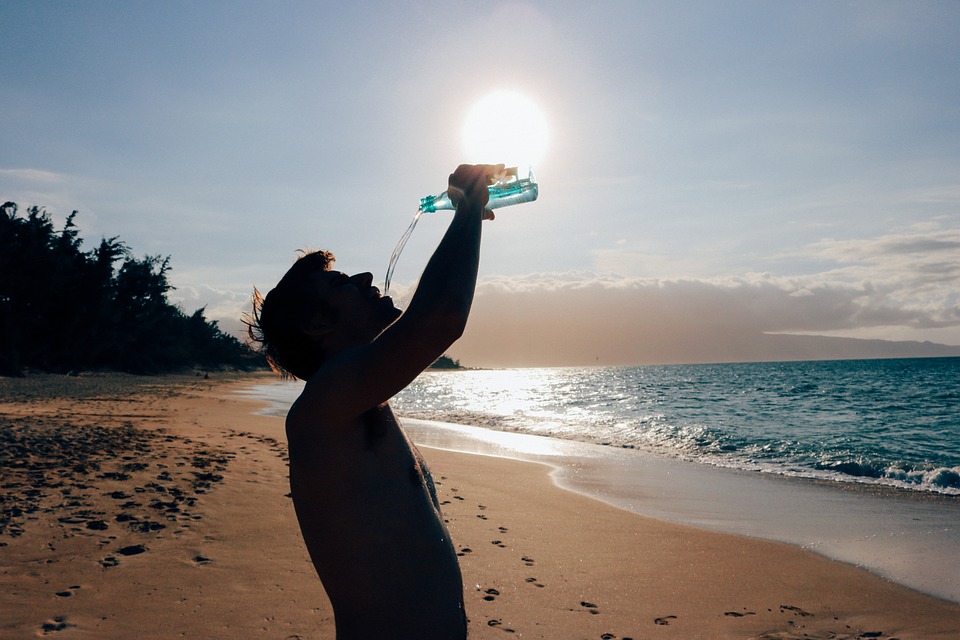
Drink More Live More: Why you should be drinking lots of water

Did you know that your body weight is approximately 60 percent water?

Your body uses water in all its cells, organs, and tissues to regulate its temperature and maintain other bodily functions. Your body loses water through breathing, sweating, and digestion and it’s important to re-hydrate by drinking fluids and eating foods that contain water. 

There are many different opinions on how much water you should be drinking every day. Health authorities commonly recommend to drink eight-ounce glasses, which equals about 2 liters. However, some health experts believe that you need to sip on water constantly throughout the day, even when you’re not thirsty.
                                                       
So if you didn’t already know, here are ten advantages of drinking water.                

  • It boosts skin health and beauty
  • It helps in formation of saliva and mucus
  • It cushions the brain, spinal cord, and other sensitive tissues
  • It regulates body temperature
  • Helps in flushing out body waste
  • The digestive system depends on it
  • The Blood pressure is maintained
  • It prevents kidney damage
  • Water helps in Weight loss
  • It delivers oxygen throughout the body

Drinking water is essential but what should be kept in mind is that drinking pure and filtered water is essential.                                                

Reasons Why You Should Avoid Fast Food

We live in a world where fast food dominates, don’t we?

It has ruined our diets, increased the rates of obesity, and has ultimately taken overall good food traditions. But what exactly is ‘fast food’? Fast food is any kind of food quickly prepared and served, often at chain restaurants.

It is typically associated with less expensive and less nutritious items, like hamburgers, french fries, and soda. It can come from many places like sit-down restaurants, cafés, and delivery services. It is because of the ease of availability, low expense, attractive taste, and the overall convenience, that we settle for something often quite unhealthy.

There is no such thing as “bad” food, but there are some foods you consume only moderately. Fast Food for instance, is high in sodium, saturated fat, trans fat, and cholesterol, it isn’t something you should eat often. Eating too much over a long period of time can lead to health problems such as high blood pressure, heart disease, and obesity.

So, here are 6 ways to avoid junk food:

  • Plan ahead. There’s no better way to handle cravings than planning your meals and snacks ahead of time.
  • Shop the perimeter
  • Eat healthy fats rather than the fat from junk food items
  • Eat enough protein from healthy food items
  • Add fruits to your diet
  • Think about the bad effects of junk food so that you get demotivated to eat them